

If you’re dealing with tired-looking eyes, under eye bags, or dark circles that just won’t go away, under eye filler might be one of the first treatments you hear about.
Hyaluronic acid fillers are often promoted as a quick, nonsurgical fix—but they have their limits. When fillers no longer give you the refreshed look you want, eyelid surgery may be a better option.
In Houston, many patients may consider turning to eye filler treatments to address early signs of aging. But if you’re dealing with advanced hollows, puffiness, or sagging, it could be time to consider a more permanent and effective solution like lower eyelid surgery.
Here’s What Under Eye Filler Can Do
Under eye filler, often called tear trough filler, involves injecting hyaluronic acid-based dermal fillers into the hollow space beneath the lower eyelids. This treatment adds volume, smooths shadows, and reduces the appearance of dark circles.
You may be a good candidate for this treatment if you have:
- Mild volume loss in the under eye area
- Early signs of aging with very minimal eye bags or puffiness
- Good skin tone and minimal laxity
- Realistic expectations about results
Because hyaluronic acid is a soft tissue filler that attracts water, it can temporarily plump up the skin in the tear trough area, giving the illusion of smoother contours and a more youthful look.
The Limits of Hyaluronic Acid Dermal Fillers for Eye Bags
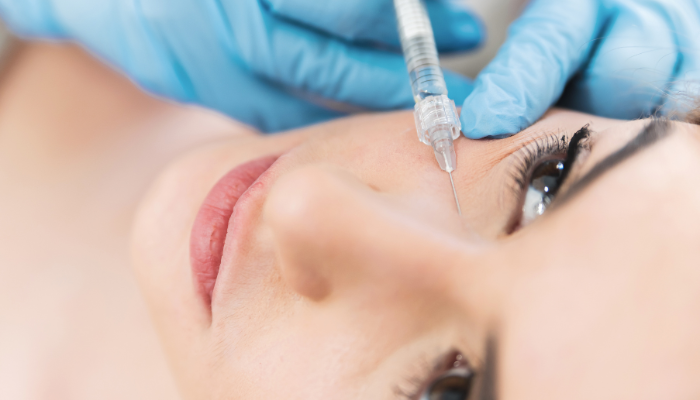
Eye fillers are not a universal solution. They come with limitations, especially if you’re trying to treat more advanced signs of aging.
Here’s where under eye filler may fall short:
- It can’t remove or tighten loose skin
- It won’t eliminate moderate to severe eye bags caused by fat pads
- It may worsen puffiness if overfilled or migrate to other areas of the face
- Repeated treatments can stretch the tissue or lead to irregularities
- Injecting dermal filler into the eye area can cause potential side effects
In some patients, filler injections lead to swelling, lumpiness, or even a bluish tint under the eyes due to the Tyndall effect. These side effects can make your eyes look worse instead of better.
Signs It’s Time for Eyelid Surgery Instead of Filler Treatment
If you’ve tried filler procedures without the results you hoped for, or if you’re noticing more prominent bags and wrinkles in the lower eye area, surgery might be the better route.
Lower eyelid surgery, also known as blepharoplasty, removes or repositions fat, tightens skin, and restores the shape of the lower eyelids. Unlike fillers, it offers long-term correction by addressing the structural changes that occur with aging.
You might want to consider blepharoplasty if:
- You have noticeable under eye bags or bulging fat pads
- The filler treatment made your eyes look puffy or uneven
- Your skin is loose or crepey under the eyes
- You want longer-lasting results without ongoing maintenance
The Procedure: What to Expect
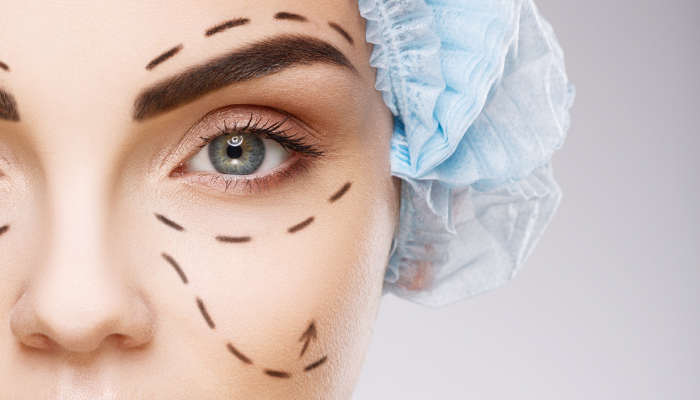
Lower eyelid surgery is typically performed under local or general anesthesia. The plastic surgeon makes a small incision either just below the lash line or inside the eyelid (transconjunctival approach), depending on your anatomy and the goals of surgery. Through this incision, the surgeon can:
- Remove or redistribute fat to reduce bulging
- Excise excess skin if needed
- Tighten the eyelid for smoother contour
- Improve the transition between the lower eyelid and the cheek
In most cases, the goal is not to make the eyes look different, but to restore a rested, natural-looking facial appearance.
Benefits of Eyelid Surgery Over Fillers
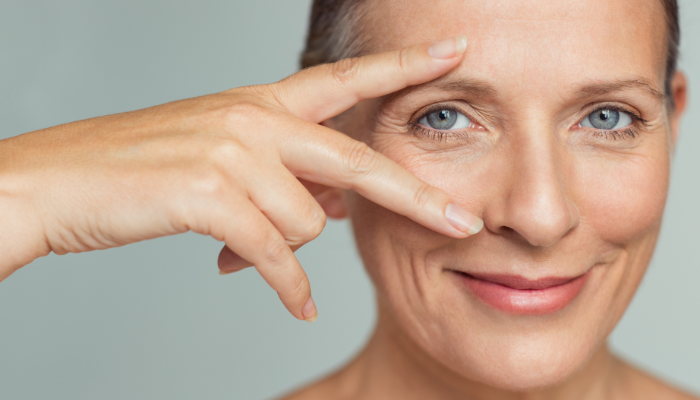
While both options have their place in aesthetic treatment, eyelid surgery often delivers more transformative and lasting results than dermal filler injections.
Benefits of plastic surgery include:
- Permanent reduction in eye bags and puffiness
- Smoother skin texture and tighter lower eyelids
- No risk of filler migration or overcorrection
- Improved contour between the lower eyelid and upper cheek
- A more rested, youthful appearance without ongoing maintenance
Unlike fillers, which are absorbed over time and require repeat appointments, surgery provides a one-time correction that can last for many years.
Fillers vs. Surgery: A Comparison
Here’s how the two approaches stack up in key areas:
Tear Trough Filler / Under Eye Filler
- Best for mild volume loss and early aging
- Fast treatment with no downtime
- Temporary results (6 to 12 months)
- Possible side effects: swelling, bruising, unevenness
- Risk of filler migration or overfilling
Eyelid Surgery:
- Ideal for moderate to severe puffiness or sagging
- One-time procedure with long-lasting results
- Downtime of about 1 to 2 weeks
- Improves skin texture and tightens the area
- Addresses the underlying anatomy, not just surface appearance
What Happens During Your Consultation Appointment
Before deciding between filler and surgery, your consultation plays a key role. During your appointment, your plastic surgeon will evaluate the eye area carefully—assessing your skin tone, eyelid structure, facial features, and signs of aging.
You’ll discuss your goals, any past treatments you’ve had, and whether you’ve had issues with dermal filler treatments in the past. Based on this assessment, the surgeon may recommend continuing with filler, dissolving previous filler before considering surgery, or proceeding directly with blepharoplasty.
Side-Effects and Risks to Consider
All treatments, whether surgical or non-surgical, carry some risk. With under eye filler, common side effects include swelling, bruising, and temporary lumps. There’s also a chance of asymmetry, filler visibility, or unintended contouring effects. In rare cases, complications like vascular occlusion can occur.
Eyelid surgery comes with its own set of risks, such as bruising, temporary dry eyes, scarring, or mild asymmetry. That said, complications from blepharoplasty are uncommon when performed by an experienced plastic surgeon like Dr. Casso.
Final Results: What to Expect

With filler treatments, results are immediate but may take a couple of weeks to settle. The effect is subtle and designed to last several months. You’ll likely need repeat filler injections to maintain your results.
Eyelid surgery results become visible gradually as swelling goes down. Most patients see a noticeable improvement in eye bags, puffiness, and skin tone within a few weeks. The outcome is more dramatic and longer-lasting than what fillers can achieve.
By the end of the healing process, your eyes will look brighter, smoother, and more refreshed—without the need for repeated treatments.
Ready for a Rejuvenated Look?
If fillers no longer deliver the youthful appearance you want, or if you’ve been dealing with persistent puffiness, lower eyelid surgery may be the best next step.
For patients in Houston and nearby areas, this procedure offers a long-term solution to one of the most stubborn signs of facial aging.
Whether you’re just beginning to explore eye treatments or you’ve had years of dermal filler injections, understanding the limitations of non-surgical options is key. Fillers can offer a helpful short-term fix, but when you’re ready for lasting change, eyelid surgery delivers results that speak for themselves.

