

When it comes to facial rejuvenation, timing can make a significant difference. You might be wondering whether it’s better to undergo a facelift procedure in your 40s or wait until your 60s.
The truth is, there’s no universal answer—it depends on your goals, lifestyle, facial anatomy, and how aging is affecting your skin and facial tissues.
That said, there are some clear distinctions between choosing facelift surgery earlier versus later in life. If you’re in the Houston area exploring your options, this blog will answer all your facelift questions.
How Aging Affects the Face Over Time
Facial aging doesn’t happen overnight. It’s a gradual process involving changes in the facial muscles, fat, skin elasticity, and underlying support structures.
In your 40s, early signs like fine facial wrinkles, slight sagging of the cheeks, and loss of jawline definition start to show. By your 60s, these changes become more pronounced—deeper folds, more volume loss, and more excess skin on the neck and lower face.
You’ll also notice shifts in the quality of your facial skin, especially around the eyelids, neck skin, and jawline and neck. These visible signs are the result of not just aging, but also genetics, loss of estrogen, sun exposure, and lifestyle factors like stress and diet.
The Facelift Procedure: What It Does and Doesn’t Do
A traditional facelift, or rhytidectomy, is a surgical technique designed to lift and reposition the deeper facial tissues that contribute to visible aging. It targets sagging skin, jowls, deep creases, and loss of contour in the lower face and neck.
While it doesn’t improve skin tone or texture directly, it reshapes the underlying structure, repositions facial fat, and removes excess skin to restore youthful definition.
At this practice, only advanced deep plane facelift techniques are used—either as a full facelift or a mid-facelift. Both procedures go beneath the SMAS layer, releasing and lifting deeper facial ligaments for more natural, long-lasting results.
The full deep plane facelift addresses the mid and lower face comprehensively, while the mid-facelift targets the cheeks and midface for patients with early to moderate aging. These methods avoid the “pulled” look and instead enhance your existing facial anatomy with a smoother, refreshed appearance.
Benefits of Getting a Rhytidectomy in Your 40s

Choosing a facelift in your 40s may feel early, but there are several advantages to intervening before the signs of aging become deeply etched.
- Less invasive procedure: In your 40s, facial tissues are generally still firm, which means a mid-facelift might be enough to restore youthful contours
- Faster facelift recovery: Because your skin and facial anatomy haven’t aged as much, recovery time tends to be quicker. Swelling and bruising are often milder, and results appear sooner
- Longer-lasting results: Early intervention can slow the appearance of aging, so you maintain a refreshed look longer before considering a revision facelift later in life
- More natural results: At this stage, you’re enhancing rather than dramatically reversing signs of age, which often results in a more subtle and natural appearance
What Facelift Surgery at 60 Typically Involves
If you wait until your 60s for facelift surgery, you may require a more comprehensive approach. By this point, gravity, muscle laxity, and volume loss are more advanced.
This can mean:
- A full face and neck lift using the deep plane technique
- Facial fat transfer to restore volume loss in the cheeks or around the eyes
- Possible eyelid surgery to correct sagging or puffiness in the upper and lower lids
- Additional procedures like liposuction under the chin for definition
You may also require a combination of techniques to address facial aging comprehensively. While highly effective, these procedures require a longer recovery and often involve more planning than those performed earlier in life.
Facial Rejuvenation Is Not One-Size-Fits-All
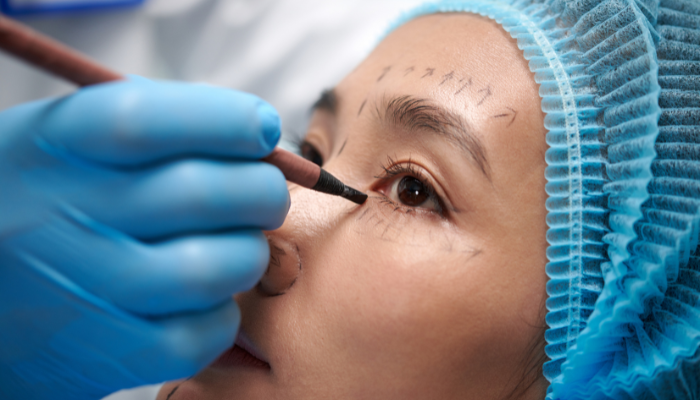
Whether you choose a primary facelift in your 40s or later in life, the goal is the same: to enhance your facial appearance while preserving your natural identity.
Dr. Casso, a skilled facelift surgeon in Houston often combines facelift procedures with other facial rejuvenation surgery options to target all aspects of aging.
These may include:
- Fat grafting for volume restoration
- Facial fat transfer for more youthful cheeks
- Neck lift to tighten loose neck skin and contour the jawline
- Blepharoplasty to remove loose skin on the upper or lower eyelids
- Brow Lift to elevate the eyebrows and smooth forehead wrinkles
- Skin treatments to improve tone and texture
The benefits of facelift surgery are not just physical—they can also boost your confidence and how you feel in your own skin.
Facelift Recovery and What to Expect
Recovery time will vary based on the type of facelift you have, and not so much on whether you’re in your 40s or 60s. Most facelift patients can expect:
- Initial swelling and bruising in the first two weeks
- Return to non-strenuous work in about 10–14 days
- Full recovery, including final results, in 3–6 months
You’ll be guided through your facelift recovery with instructions for managing swelling, caring for your incisions, and gradually resuming your normal routine. Because younger skin tends to bounce back more quickly, patients in their 40s often have shorter recovery times than those in their 60s.
The Subtle Power of Early Intervention

If you’re in your 40s and already noticing signs of facial aging, you might feel like you’re not quite “ready” for surgery. But there’s a growing shift in facial plastic surgery toward prevention rather than correction.
A facelift performed earlier can act as a maintenance tool—slowing the aging process and helping you look like yourself for longer.
This doesn’t mean that facelift patients in their 60s can’t achieve excellent results. But their goals and surgical needs are often more complex. By starting earlier, you may delay the need for more aggressive procedures or revision facelift surgery down the line.
Understanding the Surgical Technique
Each facelift technique targets specific layers of the face. In your 40s, a mid-facelift may be sufficient to elevate the cheeks and soften the nasolabial folds. This is still performed using the deep plane approach, which releases facial ligaments and repositions tissues with precision.
In your 60s, a full deep plane facelift is typically recommended to address more widespread aging. This includes sagging in the lower face, jawline, and neck. Additional facial rejuvenation procedures like fat grafting or neck lift may be combined to complete the result.
While the recovery time may be longer, the results can be dramatic—lifting facial tissues from the inside out and restoring natural structure without looking pulled or overdone.
Should You Wait Until 60?
While there are valid reasons to wait—such as health concerns or personal timing—there’s no guarantee that waiting will provide better results.
In fact, by the time facial aging has advanced significantly, the options become more involved, and recovery can take longer. That’s not to say it’s too late. But if you’re already noticing changes to your skin, cheeks, jawline, or neck, exploring a surgical option earlier might give you more control over the aging process.

