
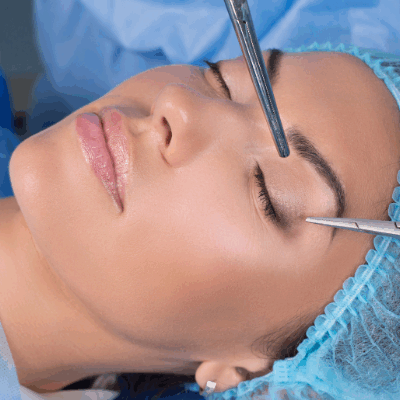
Your eyes are one of the first areas of your face to show aging. Loose eyelid skin, puffiness, or bags under the eyes can make you look tired even when you feel rested. Eyelid surgery, also called blepharoplasty, is a surgical procedure that refreshes your eye area by removing or tightening extra skin and fat.
In our Houston clinic, many patients choose blepharoplasty as part of facial plastic surgery to achieve a more youthful appearance. But should you consider upper blepharoplasty, lower blepharoplasty, or both?
Understanding Blepharoplasty Surgery in Houston
Blepharoplasty is a facial plastic surgery that improves the upper eyelids, lower eyelids, or both. The goal is not to change the shape of your eyes but to restore a smoother, more alert look. Depending on your needs, your surgeon may perform one or both types of blepharoplasty surgery to target specific concerns.
- Upper blepharoplasty focuses on removing excess eyelid skin and fat above the eye, often along the natural crease.
- Lower blepharoplasty addresses puffiness, under-eye bags, and sagging skin below the eye.
Each type of surgery uses a surgical technique designed to create natural-looking results with minimal scarring.
What Upper Blepharoplasty Targets
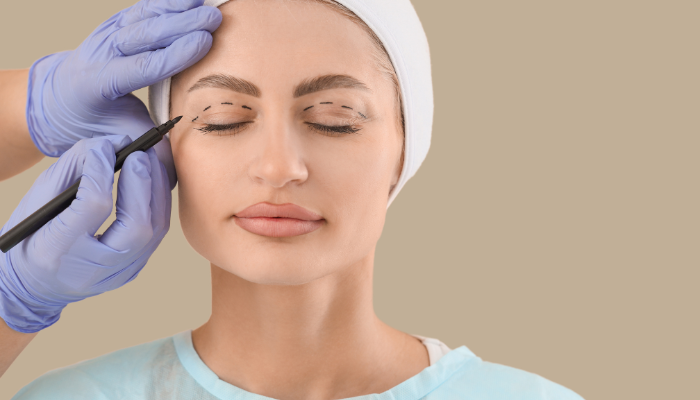
Upper blepharoplasty is the right choice if your upper eyelid skin is drooping or folding over your lash line. This condition can happen with aging and may affect your appearance and sometimes even your vision. By removing extra skin and fat and tightening the natural crease, upper blepharoplasty restores a more open, refreshed look.
You might notice a difference in how much smoother makeup goes on or how much easier it is to wear contact lenses after the procedure. Many patients also feel more confident when their eyes no longer appear heavy or tired.
What Lower Blepharoplasty Corrects
Lower blepharoplasty is usually performed to treat puffiness, bags, or loose skin under the eyes. If you’ve ever been told you look tired even after a full night of sleep, the issue may be related to changes in the lower eyelid.
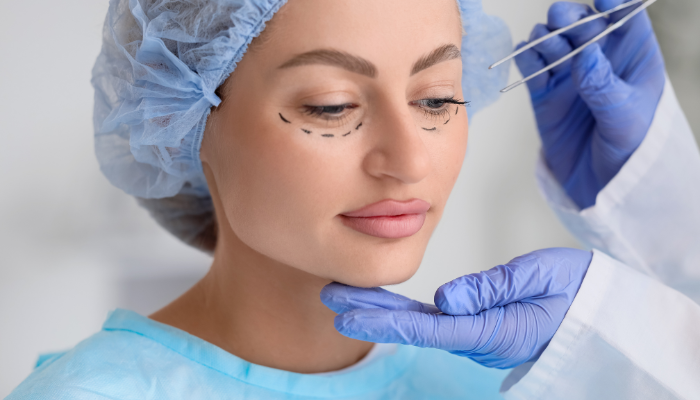
This procedure often involves removing or repositioning fat pockets, tightening the eyelid skin, and smoothing the transition between the lower eyelid and cheek. The results give you a rested and more youthful appearance without looking overdone.
Eyelid Surgery: Which Option Is Right for You?
The main difference between upper and lower blepharoplasty comes down to where your concerns are.
- Choose upper blepharoplasty if your upper eyelids droop, your lash line is hidden, or sagging skin interferes with your vision.
- Choose lower blepharoplasty if you struggle with puffiness, bags, or sagging skin beneath the eyes.
- Some patients benefit from combining both procedures for balanced results in the entire eye area.
Your surgeon can help guide you during a consultation by examining your eyelids and discussing your goals.
The Blepharoplasty Procedure
Blepharoplasty is typically done under local or general anesthesia, depending on the surgical procedure and your comfort level. At your appointment, your surgeon will carefully mark the eyelids to guide the incision placement.
- For upper blepharoplasty, the incision is usually hidden in the natural crease of the upper eyelid.
- For lower blepharoplasty, the incision may be placed just below the lash line or inside the eyelid.
Once the excess skin and fat are removed or repositioned, the incisions are closed with sutures or stitches. These techniques are designed to leave minimal scarring while delivering natural results.
Recovery After Eyelid Surgery
Healing after blepharoplasty is usually straightforward, but you’ll need to plan for some downtime. Swelling and bruising are common in the days after surgery, and you may need to use eye drops or ointment as part of your aftercare.
Most patients can return to light activities within a week, but complete recovery may take several weeks as your eyelid skin heals. During this time, following your surgeon’s instructions is important to reduce possible complications and promote the best results.
You may notice improvements in your eyelids fairly quickly, but the final results appear as swelling subsides. Many patients enjoy a refreshed look that continues to improve over time.
Results You Can Expect
Eyelid surgery can dramatically improve your appearance without changing your natural facial expression. The results are long-lasting, often making you look years younger. Whether you choose upper or lower blepharoplasty, you’ll notice a smoother, more youthful appearance around your eyes.
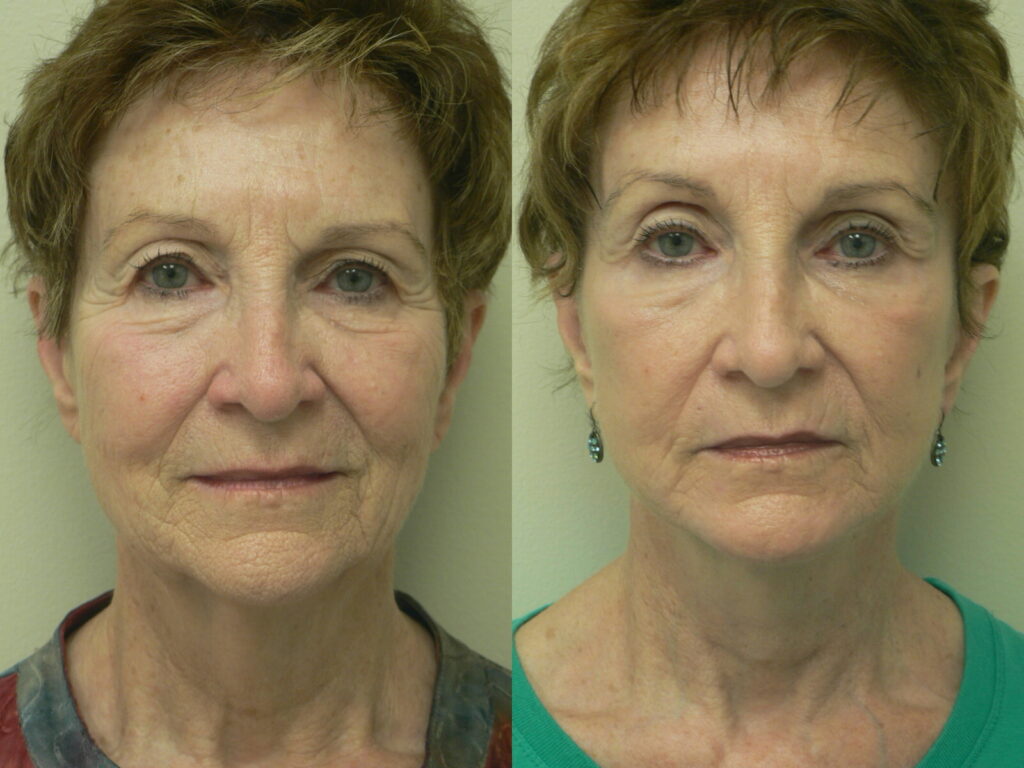
For some patients, the results are especially striking when paired with other facial plastic surgery procedures, such as rhinoplasty. However, many people are satisfied with blepharoplasty alone because of its ability to create balance and harmony in the face.
Possible Complications of Blepharoplasty Surgery
Like any surgical procedure, blepharoplasty carries risks. While most patients heal well, it’s important to be aware of possible complications:
- Infection or delayed healing
- Double vision or temporary blurred vision
- Swelling that lasts longer than expected
- Irritation from sutures or stitches
- Rare complications such as difficulty closing the eyes fully
Your surgeon will review these risks with you during your consultation and provide detailed instructions to minimize them. Choosing a qualified specialist in facial plastic surgery helps lower the likelihood of complications.
What Makes Eyelid Surgery Unique
Blepharoplasty is one of the most commonly performed cosmetic procedures in Houston because it delivers noticeable results with relatively minimal downtime. Unlike other facial plastic procedures, eyelid surgery specifically targets the eye area, which plays a major role in your overall appearance.
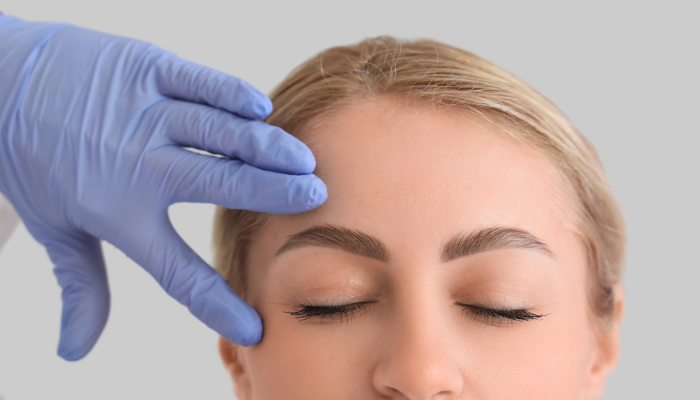
Because the eyelid skin is thin and delicate, the surgical technique is precise and requires careful planning. Incisions are placed in natural creases or near the lash line to hide scars. This attention to detail allows you to heal with results that look natural.
Healing and Long-Term Care
Your healing process doesn’t stop after the first few days. In the weeks after surgery, you’ll gradually notice swelling fade and your eyelids take on their new shape. Keeping follow-up appointments with your surgeon ensures your recovery stays on track.
- Avoid rubbing your eyes or wearing contact lenses until cleared by your doctor.
- Use prescribed eye drops to keep your eyes comfortable.
- Protect your eyelid skin from sun exposure as it heals.
Long-term, most patients enjoy their results for many years. Aging continues, but your eyes will look younger and more refreshed than if you hadn’t had surgery.
Final Thoughts on Upper vs. Lower Blepharoplasty
When you compare upper and lower blepharoplasty, the right choice depends on where aging affects you most. If sagging eyelid skin makes your eyes look heavy or affects your vision, upper blepharoplasty is likely the better option. If puffiness and bags beneath the eyes are your main concern, lower blepharoplasty may be right for you.
Either way, blepharoplasty surgery is a powerful tool in facial plastic surgery, offering results that restore confidence and create a natural, youthful appearance. By understanding the difference between these two procedures, you can make an informed decision about what will work best for your eyes.

